
Exploring Diverse Commercial Building Ventures Across Australia

Australia's construction landscape is evolving rapidly. I observe a growing demand for complex, design led commercial buildings. These projects require precision, expertise, and a clear understanding of architectural intent. The Northern Rivers region, in particular, is witnessing a surge in high-end construction that blends functionality with aesthetic appeal.
Understanding Diverse Commercial Building Ventures
Diverse commercial building ventures cover a wide range of structures. These include office buildings, retail spaces, warehouses, hospitality venues, and mixed use developments. Each type demands specific design considerations and construction techniques.
For example, office buildings focus on efficient space planning and sustainability. Retail spaces prioritize customer flow and visual merchandising. Warehouses require robust structural integrity and easy access for logistics. Hospitality venues emphasize ambiance and comfort. Mixed use developments combine residential and commercial elements, requiring careful zoning and integration.
I note that successful projects balance these needs while adhering to local regulations and environmental standards. This approach ensures long term value and operational efficiency.
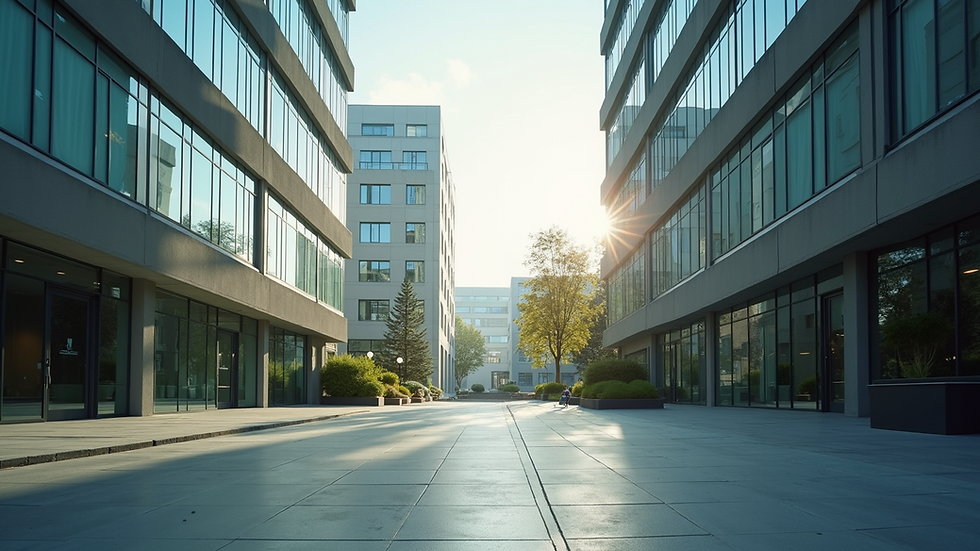
What are commercial projects?
Commercial projects refer to construction works intended for business use. They differ from residential projects in scale, complexity, and purpose. Commercial buildings serve as workplaces, shopping centres, entertainment hubs, or storage facilities.
These projects often involve multiple stakeholders, including developers, architects, engineers, and contractors. Coordination among these parties is crucial to meet deadlines and budgets. Commercial projects also require compliance with safety codes, accessibility standards, and energy efficiency regulations.
I find that early-stage planning is vital. It includes site analysis, feasibility studies, and design development. This groundwork helps identify potential challenges and opportunities. It also guides material selection and construction methods.

Key Factors in Successful Commercial Building Ventures
Several factors influence the success of commercial building ventures. I highlight the following as essential:
Design Quality - Architectural design must align with the building’s function and brand identity. It should also consider future adaptability.
Project Management - Effective scheduling, budgeting, and communication reduce risks and delays.
Material Selection - Durable, sustainable materials improve building lifespan and reduce maintenance costs.
Regulatory Compliance - Meeting local building codes and environmental laws is mandatory.
Technology Integration - Smart building systems enhance energy efficiency and user experience.
For instance, using prefabricated components can speed up construction and improve quality control. Incorporating solar panels and rainwater harvesting supports sustainability goals.

Regional Trends in Northern Rivers Commercial Construction
The Northern Rivers region shows unique trends in commercial construction. There is a strong emphasis on eco-friendly designs and community integration. Developers prefer projects that complement the natural landscape and local culture.
I observe a rise in mixed use developments that combine retail, office, and residential spaces. These projects promote walkability and reduce urban sprawl. Additionally, adaptive reuse of existing buildings is gaining popularity. This approach preserves heritage while meeting modern needs.
Beohm Construction exemplifies this trend. They focus on architecturally driven projects that are complex yet sustainable. Their expertise in design led construction makes them a preferred partner for high end commercial ventures in the region.
Practical Recommendations for High End Commercial Projects
When planning a high end commercial project, consider these practical steps:
Engage Experts Early: Involve architects, engineers, and builders from the start to align vision and feasibility.
Prioritize Sustainability: Use energy-efficient systems and materials to reduce operational costs and environmental impact.
Plan for Flexibility: Design spaces that can adapt to changing business needs or tenant requirements.
Focus on Quality Control: Implement rigorous inspection and testing throughout construction.
Communicate Clearly: Maintain transparent communication among all stakeholders to avoid misunderstandings.
By following these guidelines, you can enhance project outcomes and ensure long term success.
I continue to monitor developments in Australia's commercial construction sector. The demand for sophisticated, well executed projects grows steadily. For those involved in this field, partnering with experienced firms like Beohm Construction offers a strategic advantage. Their commitment to quality and design excellence supports the creation of landmark buildings that stand the test of time.


Comments